
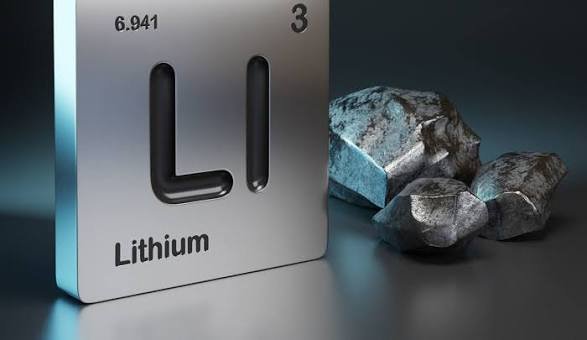
Lithium prices have slumped after a deal between the European Union and China that will cut Chinese hybrid car exports to the bloc.
Since the start of the week, China’s most actively traded lithium futures contract has dropped by 14%, Bloomberg reported earlier today.
Talks between Brussels and Beijing resulted in a deal that could slash Chinese hybrid car exports to EU countries by as much as 50%.
Oriental Securities analysts said in a note at the end of last week: “Market participants have been doubtful about lithium demand outlook…while the deal is better than earlier pessimistic expectations that the EU would hike tariffs, it means China’s export growth to the EU will slow down afterwards.”
The oil crisis caused by the war in the Middle East had sparked hopes of expanding battery demand, as drivers increasingly switch from gasoline and diesel cars to electric vehicles. However, protectionist measures by EU authorities against Chinese car imports have dampened the outlook for batteries and, as a result, lithium demand.
The slide began earlier this year, after Chinese futures climbed close to 210,000 yuan per ton in May. Since then, a rebound in production and political developments have pressured prices, as traders began worrying about a glut.
Earlier today, the contract briefly dipped below 100,000 yuan, reflecting growing worry about demand.
Still, lithium miners reported a strong first half of the year, with profits driven by stronger demand for battery storage because of the war in the Middle East.
Battery storage has become increasingly important for grids with large amounts of weather-dependent wind and solar generation. Because output from these sources does not always coincide with electricity demand, batteries can store excess power and release it when needed.
With countries dependent on oil and gas imports from the Middle East turning to alternatives, the importance of battery storage has only grown since March.
 Lakshan Perera
 Administrator