
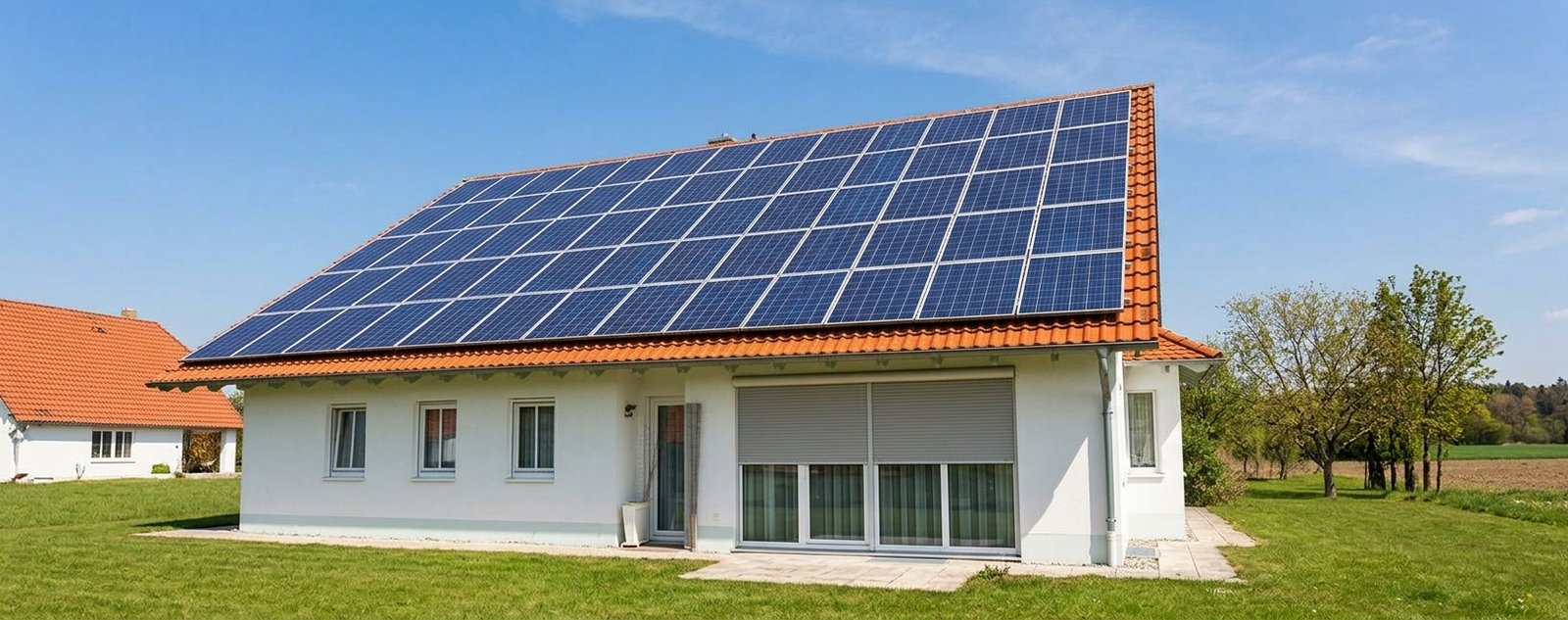
Sri Lanka’s Ministry of Energy has formally scrapped the traditional net metering and net accounting frameworks for all new rooftop solar installations, sparking widespread economic concern.
Under the latest directives, every new distributed solar system must connect solely under the Net Plus mechanism, which separates generation from household consumption, the Energy Ministry announced.
Several energy experts told the that the change is a major blow to small and medium-scale consumers who invested in solar as protection against volatile retail electricity prices, turning self-funded green assets into unexpected financial liabilities.
The shift places a heavy financial burden on ordinary households and small local workshops.
Under the earlier frameworks, solar users directly offset their monthly consumption, which allowed them to avoid the highest and most expensive progressive tariff slabs.
The Net Plus mandate forces a complete split, the experts pointed out: consumers are legally required to export 100 per cent of their clean daytime generation to the state grid at a flat, depressed feed-in rate.
At the same time, rooftop solar users must buy back every unit of electricity they consume at standard, punishing retail rates.
For a typical suburban household, this design converts what was once a self-sustaining, zero utility bill into a persistent monthly cash deficit.
The sector faces further strain from a sharp shortening of the investment horizon. A senior official of the Public Utilities Commission of Sri Lanka said new contracts and extensions are now capped at a maximum of 12 years, down from the dependable 20-year periods previously promised to safeguard capital outlays.
Although upfront hardware costs remain high, the time needed for a 10 kW system to break even has nearly doubled, leaving users with a dangerously narrow window of pure savings before their contracts face an uncertain regulatory future.
Mandatory requirements for advanced smart-metering hardware add immediate upfront costs. Combined with systemic utility payment delays, small-scale owners are left to carry the brunt of the operational risks.
The deepening crisis has prompted urgent pushback from the private sector. The National Chamber of Commerce of Sri Lanka wrote to President Anura Kumara Dissanayake, seeking his immediate intervention on critical policy issues that threaten national energy security.
The chamber warned of a likely energy shortage of up to 450 MWh by early 2027, noting that the pressure on small-scale solar projects is slowing the growth of distributed renewable energy, which had already reached 2 GW