
A USD 57.4 million investment package is set to change the economics of electricity for small and medium-sized businesses, while building a stronger platform for private investment in rooftop solar and other distributed renewable-energy projects.
The package combines a USD 35 million concessional loan from the Asian Development Bank (ADB), a EUR 15.4 million grant from the European Union (EU), equivalent to USD 16.94 million, and a USD 5.5 million grant from the Japan Fund for the Joint Crediting Mechanism (JFJCM). Together, they will finance a five-year programme, running from 2026 to 2030, to modernise the electricity distribution system.
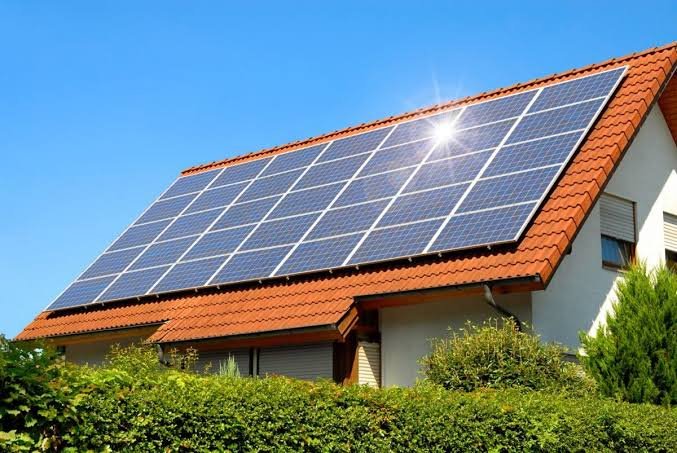
For the business community, the headline feature is the planned introduction of Virtual Net Metering (VNM), which will be implemented in Sri Lanka for the first time. The EU-funded component will support 25 MW of aggregated rooftop solar PV capacity, aimed specifically at easing the electricity-bill burden on small and medium-scale entrepreneurs.
That could open a new investment channel for SMEs, which have long struggled to absorb high energy costs and to find the upfront capital renewable systems demand. The programme treats distributed solar not just as a household energy solution but as a business-cost management tool, an important shift for firms that run on tighter margins than large corporates and for whom electricity spending directly affects competitiveness, cash flow and the ability to expand.
Under a virtual net-metering arrangement, electricity generated by qualifying rooftop installations can be applied across accounts, extending the benefits of solar power beyond the individual premises where it is produced.
The significance may go well beyond the first 25 MW. By putting in place the infrastructure and regulatory framework needed to manage aggregated distributed generation, the project could build investor confidence in decentralised renewable-energy assets and draw additional private capital into the sector, rather than remaining a purely government-funded infrastructure programme.
The funding mix also stands out. A substantial share comes as grants and concessional finance, lowering the cost of technologies that would otherwise need heavy upfront spending. The ADB loan will back the wider modernisation programme, while the EU and Japanese grants will help finance renewable-energy integration and grid-strengthening technologies.
At EDL, the investment will upgrade the existing CEBAssist platform with Advanced Metering Infrastructure (AMI), a Distributed Energy Resource Management (DERM) system and distribution control centres supported by an Advanced Distribution Management System (ADMS). These tools will give the utility real-time visibility of electricity consumption and distributed generation, helping it manage an increasingly decentralised power system more efficiently.
That digital backbone is central to the case for expanding rooftop solar. As more SMEs and other consumers generate their own power, the network must know where generation is taking place, how much electricity is entering the grid and how those flows affect local network conditions.