
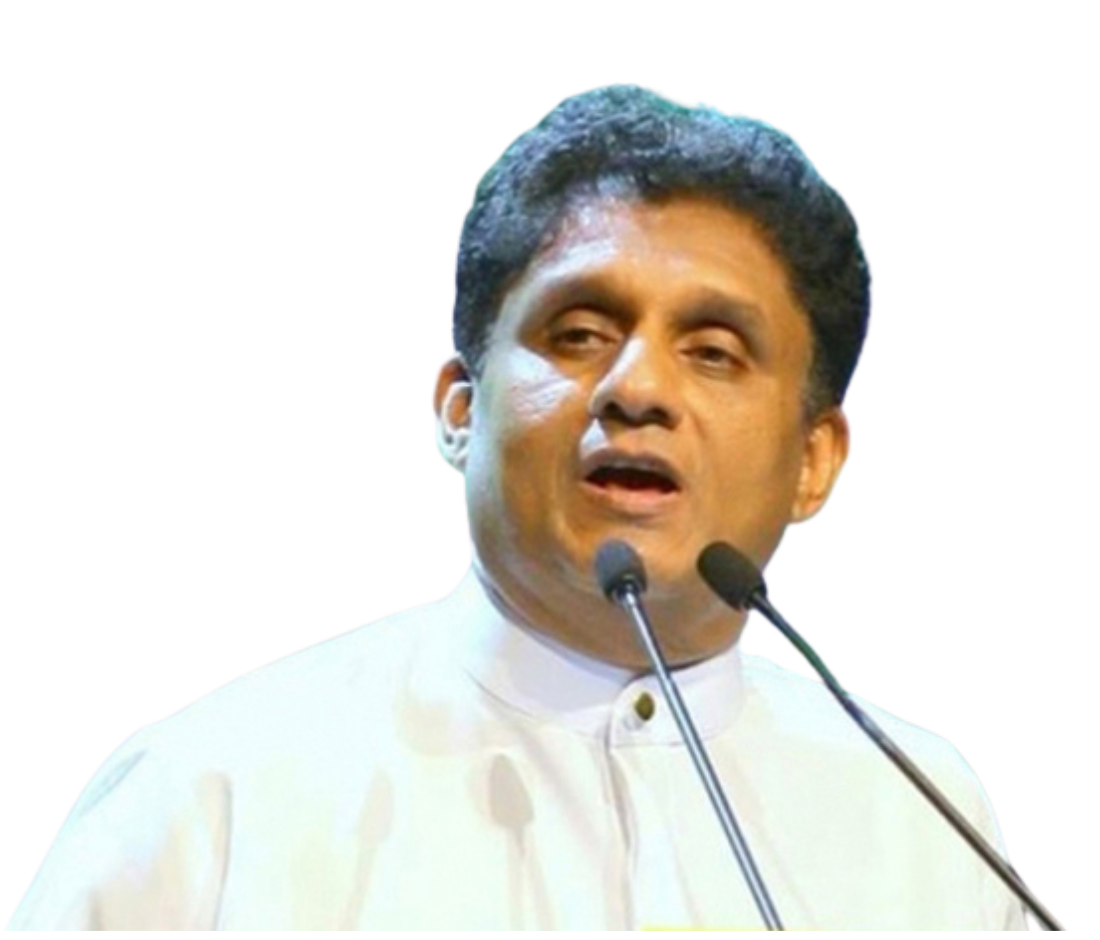
Sri Lanka’s energy policy debate has escalated into an international affair, with Opposition Leader Sajith Premadasa bypassing domestic channels to make his case directly to the International Monetary Fund.
Premadasa met with the IMF’s Resident Representative in Sri Lanka, Dr. Martha Tesfaye Woldemichael, to voice what he described as grave concerns over the current administration’s energy policies — policies he alleges are actively dismantling the country’s renewable energy sector.
During the meeting, Premadasa zeroed in on the government’s handling of solar energy projects, warning that recent policy shifts threaten to unravel a sector he believes is capable of delivering low-cost electricity to consumers while simultaneously empowering young, skilled entrepreneurs and small-scale business owners through decentralised energy production.
His central ask to the IMF representative was direct: push the government to urgently integrate battery energy storage systems (BESS) alongside rooftop solar. The economic case he laid out was significant — Premadasa argued that rooftop solar systems have the potential to contribute 2,500 MW to the national grid, a scale of generation that could save Sri Lanka an estimated Rs. 25 billion every month.
But despite these clear economic advantages, Premadasa alleged that a persistent “diesel mafia” is actively working behind the scenes to derail sustainable energy initiatives in favour of continued fossil fuel dependency.
He didn’t stop at solar. Premadasa also took aim at the government’s plans to generate power through combined cycle power plants under the Yugadanavi, Sobadhanavi, and Sahasdanavi projects — specifically criticising the approach of mixing LNG and diesel without floating storage regasification (FSR). He characterised the move as a thinly veiled attempt to serve the interests of fuel cartels at the public’s expense.
Closing out his remarks, Premadasa drew a hard line in the sand. He vowed that the opposition would not allow the interests of Sri Lanka’s 22 million citizens to be compromised, pledging to wage a strong democratic fight to push the government well beyond its current 70% renewable energy target — toward what he framed as a full 100% renewable energy vision for the country.